Communities in Kadavu are set to receive new support to protect their fishing grounds, strengthen food security and develop sustainable sources of income under a project titled Strengthening Fiji’s Network of Locally Managed Marine Areas (LMMAs) to support globally significant marine biodiversity.
The project will balance conservation and livelihoods across more than 44,000 hectares of marine and coastal ecosystems, including the Great Astrolabe Reef, central to Kadavu’s food and economy.
Communities and traditional resource owners will be at the centre of decisions on managing their locally managed marine areas while developing livelihoods linked to aquaculture, seaweed farming, mangrove restoration, eco-tourism and other blue economy activities.
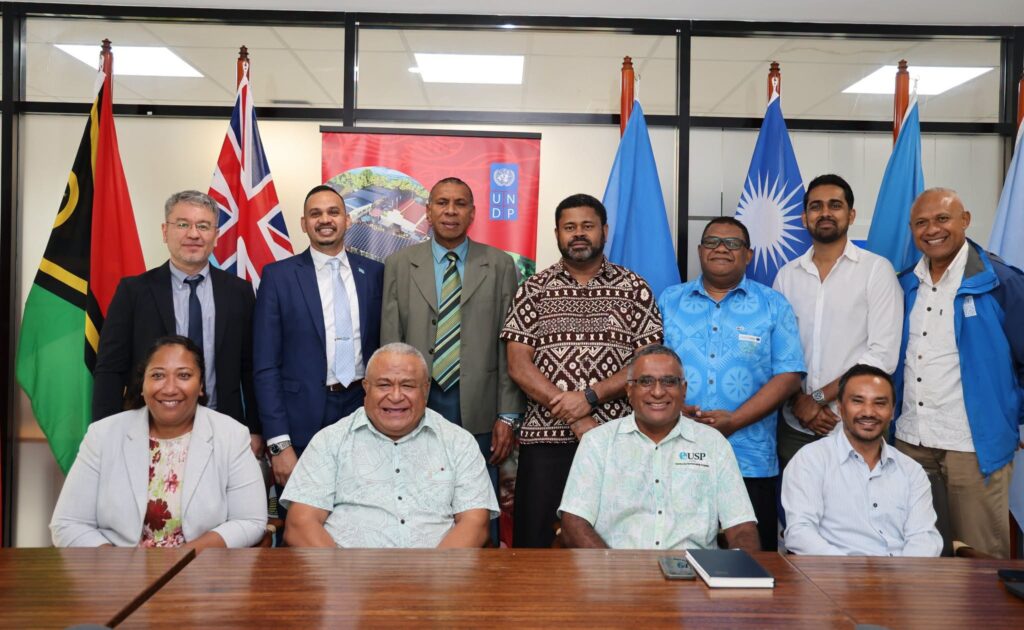
The project was endorsed at a Local Project Appraisal Committee meeting co-chaired by the United Nations Development Programme and the Ministry of Environment and Climate Change (MECC).
The project will be implemented by the MECC from 2026 to 2030, with financing from the Global Environment Facility and support from UNDP.
Member of the Project Steering Committee (PS Environment), Dr Sivendra Michael, said the project recognized that coastal communities were not simply beneficiaries of conservation but decision-makers leading its delivery.
“Traditional resource owners and coastal communities have managed and protected these marine areas for generations, and this project will follow community decisions and priorities while balancing conservation with livelihoods, food security and resilience to climate change.”
Communities and traditional resource owners will guide government, conservation organisations, researchers and development partners. It will support stronger community governance, ecosystem-based planning, scientific monitoring and sustainable financing for locally managed marine areas.
Dr Michael said conservation efforts balance ecosystem health with community livelihood priorities. The project will also support Fiji’s commitment to protect 30 per cent of its marine environment and strengthen the sustainable management of the ocean resources that support food, income, culture and community life.