
Fiji has the capacity to develop practical solutions to address our current waste challenge, but lasting change will require collective action and responsibility.
Speaking during the Marine Litter Training on Beach Surveys and Waste Audits under the newly launched SWAP II Project, Permanent Secretary for Environment and Climate Change Dr. Sivendra Michael said meaningful progress can be achieved when communities, organisations and individuals work together.
“The solution is here in front of us. Small actions matter, and when we join forces, they can have a significant impact,” he said.
Dr. Michael pointed to initiatives such as Trashboom Pacific, which has proven effective in preventing waste from entering rivers and reaching the ocean, helping to protect Fiji’s marine ecosystems. He also highlighted the success of composting communities, particularly in areas without regular waste collection services, as examples of practical local solutions.
He stressed the importance of understanding Fiji’s waste composition before implementing waste management projects. A large proportion of the country’s waste consists of household and green waste, areas where citizens can play a direct role in reducing pollution through responsible disposal and composting practices.
While clean-up campaigns remain important, Dr. Michael said Fiji must move beyond a culture of continuously collecting rubbish discarded by others.
“How long can we keep picking up rubbish left behind through irresponsible behaviour?” he questioned.
He emphasised the need to strengthen compliance with environmental laws and fully enforce existing legislation to address persistent littering and illegal waste disposal.
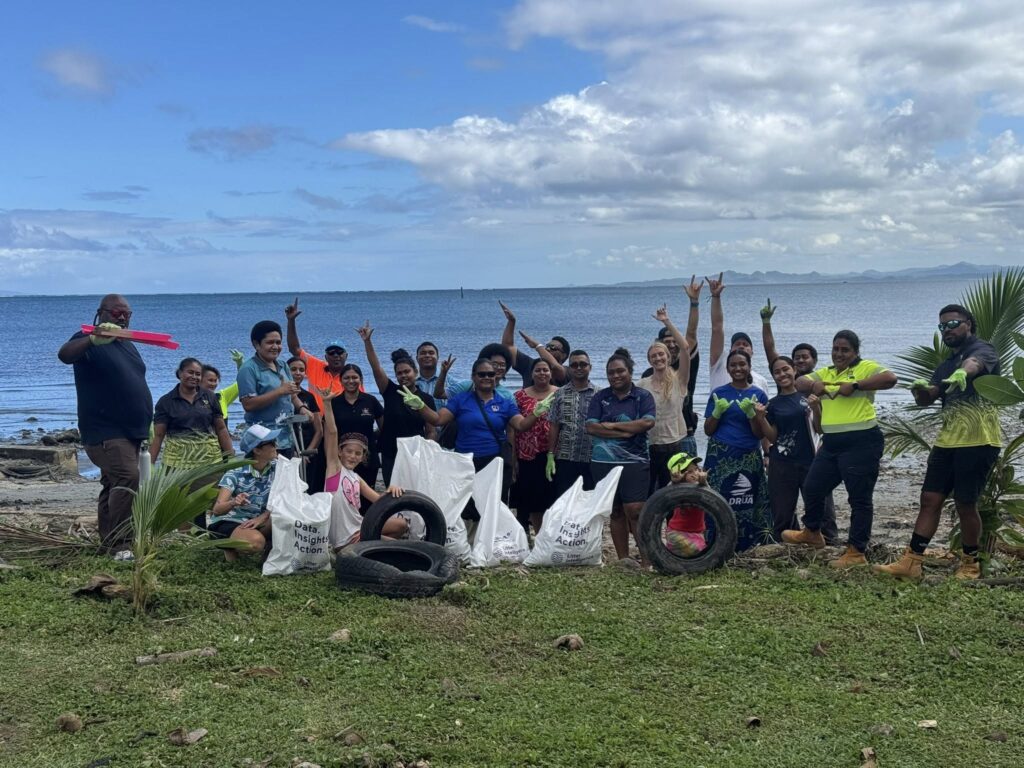
The training brought together Ministry of Environment and Climate Change staff, University of the South Pacific students, Trashboom Pacific representatives and international development partners.
Participants received both classroom and field-based training, including beach surveys, waste collection, waste profiling and safe handling procedures for hazardous materials, while learning the importance of using proper protective equipment during clean-up activities.