
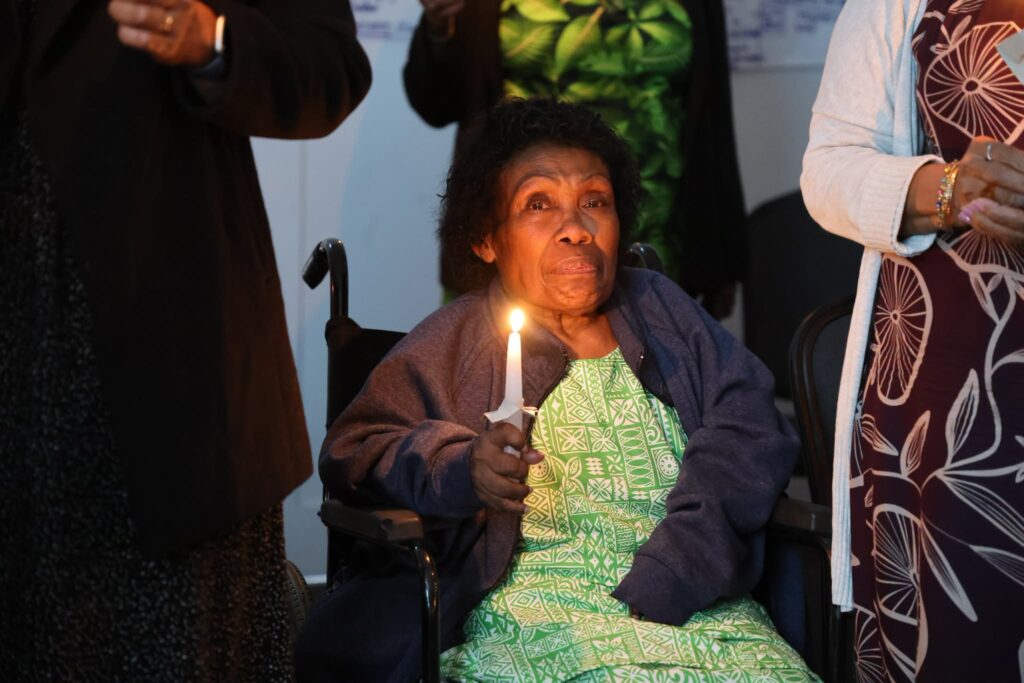
Three days of intense discussions, powerful testimonies, and emotional stories from communities living on the frontlines of climate change have helped shape Fiji’s climate narratives to be taken to Pre-COP31.
The Ministry of Environment and Climate Change, in collaboration with the Fiji Council of Churches, concluded the Three-Day
today (28.08.26), bringing together climate-impacted community members, civil society, academia and researchers, Government ministries and development partners.
Throughout the symposium, participants shared and collectively developed climate narratives based on the lived experiences of Fiji’s vulnerable communities, stories of how climate change is already affecting their homes, livelihoods, culture, and land.
These narratives collated today are aligned to the four key pillars of the Pre-COP31 Pacific Partnership: keeping 1.5°C within reach, enhancing access to climate finance, elevating the ocean climate nexus, and amplifying Pacific voices and leadership.
The collective narratives developed at the symposium will be presented by Government as a three-minute intervention at Pre-COP31, ensuring the experiences and voices of communities are carried into the discussions.
Closing the symposium, Director Climate Change, Ms Senivasa Waqairamasi, acknowledged the depth of the discussions and the courage of community members who shared emotional accounts of what it means to live with the impacts of climate change.
She said these stories give meaning to the policies, negotiations and decisions being advanced by Government, because behind every climate statistic are people, families and communities experiencing these impacts firsthand.
The Ministry acknowledges the Fiji Council of Churches, through the leadership of His Grace, the Archbishop Peter Loy Chong, and the facilitation by Caritas Fiji, for facilitating this important national dialogue and bringing together diverse voices to collectively develop a truthful climate narrative that reflects Fiji’s lived realities and vulnerability to climate change.
As Fiji prepares for Pre-COP31, the message is clear: our communities must not only be spoken about, their lived experiences and narratives must be heard in the rooms where decisions about their future are made.